

CPR Certification for Workplaces: Why It Matters
- 605CPR

- Aug 3
- 3 min read
Emergencies happen without warning. When someone collapses or stops breathing, every second counts. Knowing how to perform CPR can save a life. That’s why getting CPR certification for workplaces is essential. It equips you with the skills and confidence to act fast and effectively.
Whether you work in healthcare, childcare, or any business environment, CPR training is a vital tool. It prepares you to respond calmly and correctly in critical moments. Let me walk you through why this certification matters and how it benefits you and those around you.
Why You Need CPR Certification for Workplaces
Workplaces are busy places. Accidents and medical emergencies can happen anywhere - in offices, factories, schools, or childcare centers. Having trained individuals on-site can make all the difference.
Here’s why CPR certification is a must-have:
Immediate Response Saves Lives: When someone’s heart stops, brain damage can begin within minutes. CPR keeps blood flowing until professional help arrives.
Boosts Confidence: Training removes fear and hesitation. You’ll know exactly what to do when seconds matter.
Legal and Safety Compliance: Many workplaces require CPR certification to meet safety regulations and protect employees.
Creates a Safer Environment: Knowing CPR encourages a culture of care and preparedness.
Protects Your Team and Customers: Emergencies don’t discriminate. Being ready helps everyone.
By investing in CPR training, you’re not just following rules. You’re empowering yourself and your coworkers to be lifesavers.
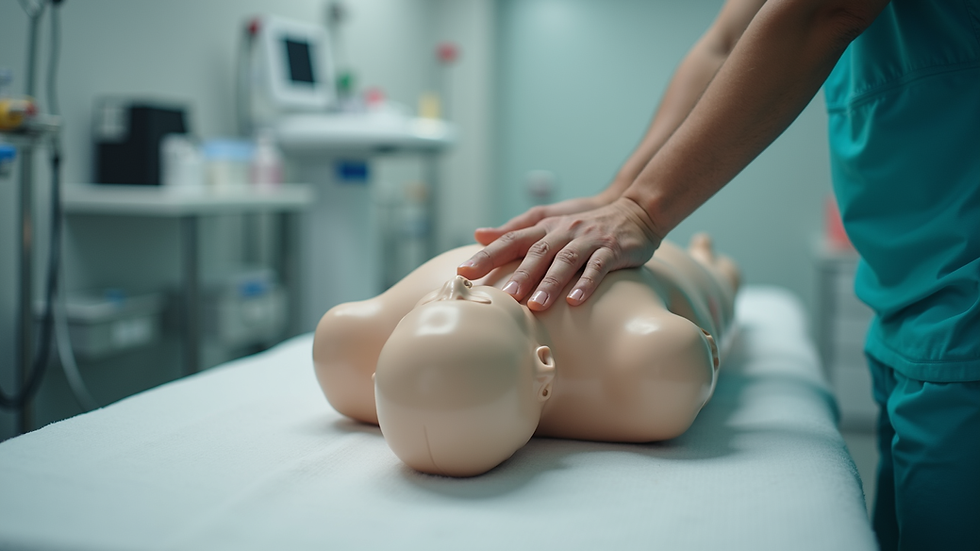
What Does CPR Certification for Workplaces Include?
Certification programs cover essential skills and knowledge. You’ll learn how to:
Recognize Cardiac Arrest: Identify signs like sudden collapse, no breathing, or no pulse.
Perform Chest Compressions: Use proper hand placement, depth, and rhythm.
Give Rescue Breaths: Deliver effective breaths to provide oxygen.
Use an AED (Automated External Defibrillator): Learn how to operate this life-saving device safely.
Handle Choking Emergencies: Techniques to clear blocked airways.
Most courses combine hands-on practice with clear instructions. You’ll get real-time feedback to improve your technique. The goal is to make you confident and ready.
Many workplaces also include First Aid training alongside CPR. This covers treating wounds, burns, and other injuries until help arrives.
Is an Online CPR Certification Legit?
You might wonder if online CPR courses are valid. The answer depends on the program and your workplace requirements.
Online CPR certification can be a convenient option. It allows you to learn theory at your own pace. However, hands-on skills are critical. Many reputable programs combine online learning with in-person skills testing.
Here’s what to look for:
Accreditation: Ensure the course is approved by recognized organizations.
Skills Practice: Confirm there is a practical component, either in-person or via a live instructor.
Certification Validity: Check if your employer or local regulations accept the certification.
Renewal Requirements: CPR skills need refreshing every 1-2 years.
If you choose an online course, make sure it includes a hands-on session. This ensures you can perform CPR correctly when it counts.

How to Choose the Right CPR Certification Program
Selecting the right program is key to getting the most from your training. Here are some tips:
Look for Local Providers: Training near you means easier scheduling and in-person practice.
Check Course Content: Make sure it covers adult, child, and infant CPR if relevant.
Consider Group Training: On-site sessions for your team save time and build teamwork.
Verify Instructor Credentials: Experienced instructors improve learning quality.
Ask About Certification Validity: Confirm the certificate meets your workplace or state requirements.
Flexible Scheduling: Choose programs that fit your work hours.
For example, 605CPR offers convenient, high-quality CPR and First Aid certifications in the Sioux Falls area. They provide flexible on-site training options that empower individuals and businesses with life-saving skills.
What Happens After You Get Certified?
Certification is just the beginning. Here’s what you should do next:
Keep Your Skills Fresh: Practice regularly and attend refresher courses.
Encourage Others: Promote CPR training in your workplace.
Know Your Emergency Plan: Understand your workplace’s procedures for medical emergencies.
Maintain Your Certification: Renew before it expires to stay current.
Stay Calm and Ready: Confidence grows with preparation.
Remember, CPR certification is a powerful tool. It turns bystanders into heroes. You’ll be ready to act when it matters most.
Getting workplace cpr certification is a smart investment in safety. It protects lives, boosts confidence, and creates a culture of care. Don’t wait for an emergency to realize how important these skills are. Take the step today to become certified and prepared.
Your readiness can save a life. Make it count.


Comments